Rainwater and road grime damage vehicles by depositing acidic pollutants and minerals that etch the clear coat, leading to oxidation and permanent corrosion. Professional car paint protection Vancouver rain solutions, such as ceramic coatings or films, create a vital barrier that prevents these contaminants from bonding to the surface. This proactive maintenance preserves the vehicle's finish and prevents the long-term degradation caused by constant exposure to wet, debris-heavy conditions.
For many Vancouver drivers, the relentless Pacific Northwest rain feels like a convenient, albeit frequent, car wash. However, this perception is a costly misconception that compromises the long term aesthetic value of your vehicle. Each downpour carries atmospheric pollutants and industrial fallout that settle onto your clear coat; meanwhile, the resulting road spray creates a gritty slurry that acts like sandpaper against your paint. Understanding the chemistry behind this degradation is the first step toward preserving your investment. In this guide, we will analyze the specific risks posed by the climate in Metro Vancouver, from acid rain to mineral deposits. We will also explore how professional grade solutions, such as ceramic coatings, offer the necessary resilience to keep your vehicle pristine despite the persistent West Coast moisture.
The Myth of the Free Car Wash: Why Vancouver Rain is Not Your Friend
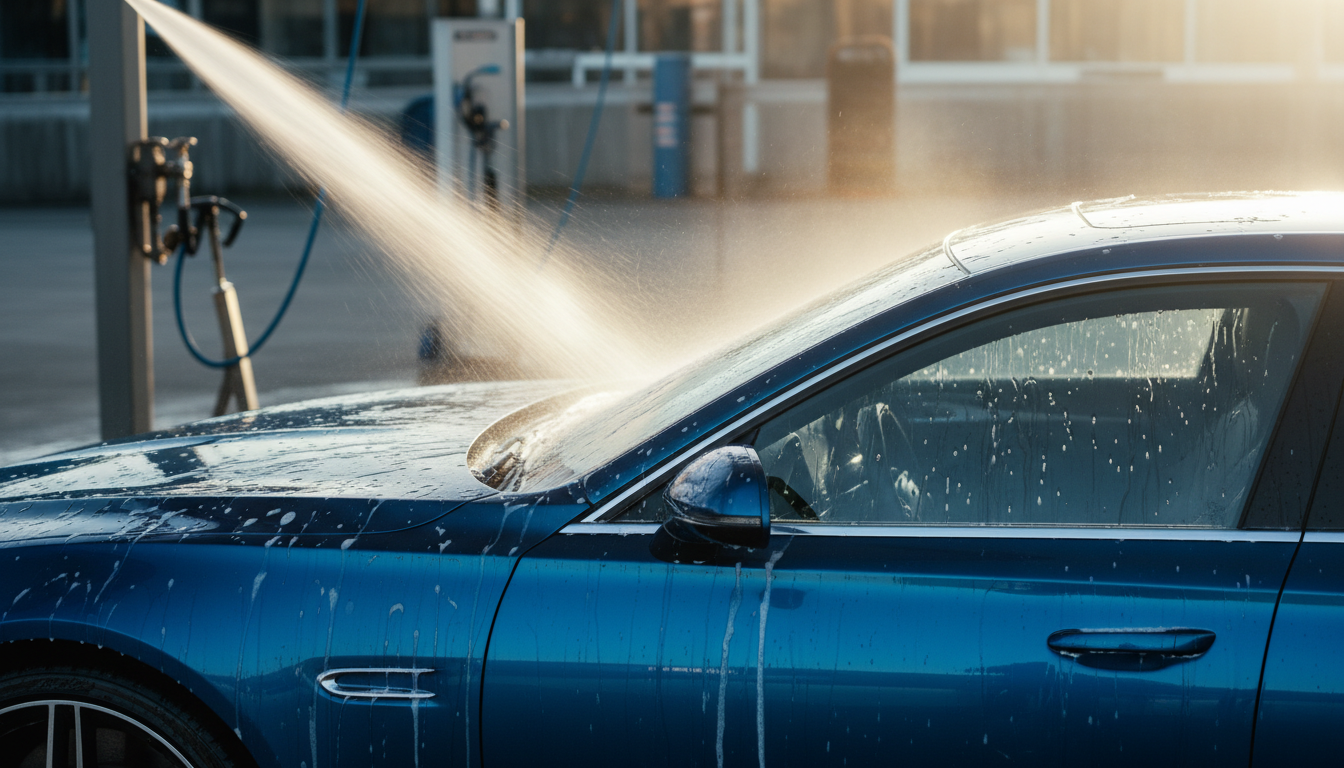
Many drivers in Metro Vancouver mistakenly view a heavy downpour as a free rinse for their vehicle. In reality, relying on nature to clean your car is one of the quickest ways to degrade its finish. Rainwater in a coastal, industrial hub like ours is rarely pure. As atmospheric rivers travel across the Pacific, they pick up high concentrations of sea salt before moving inland over neighborhoods like Kitsilano and East Van.
Once these weather systems hit the city, the moisture traps urban pollutants, industrial emissions from the Port of Vancouver, and fine particulate matter from traffic. Instead of washing away dirt, the rain acts as a delivery mechanism for these contaminants, depositing a thin, acidic film across every horizontal surface of your vehicle. This becomes particularly problematic when the water evaporates, leaving behind a concentrated residue of minerals and chemicals.
Effective car paint protection Vancouver rain requires more than just a rinse. Without a proper barrier, this cycle leads to paint oxidation and surface etching. While it might look clean from a distance, the microscopic damage is already beginning. To truly preserve your investment, investing in professional car detailing services is essential to remove these embedded contaminants before they bond permanently to your clear coat.
Acid Rain and Atmospheric Fallout in Metro Vancouver
Building on the reality of atmospheric pollutants, the chemical composition of Metro Vancouver’s precipitation poses a significant threat to automotive finishes. While pure water is neutral, the moisture in our region frequently reacts with sulfur dioxide and nitrogen oxides released by heavy traffic and industrial operations at the Port of Vancouver. When these gases mix with coastal humidity, they transform into dilute sulfuric and nitric acids. This phenomenon, commonly known as acid rain, significantly lowers the pH of the water sitting on your vehicle.
Does rain damage car paint? The technical answer is found in the clear coat’s reaction to these acidic compounds. Modern clear coats are designed to be resilient, yet they remain susceptible to chemical degradation. As rainwater evaporates from the hood or roof, the acid concentration increases, eventually reaching a point where it begins to dissolve the paint resin. This chemical reaction creates "etching," which manifests as microscopic craters or depressions in the surface.
Unlike surface dirt that can be wiped away, etching is permanent physical damage to the paint structure. These tiny craters disrupt the smooth finish of the clear coat, creating a jagged texture that traps even more environmental fallout and road salt. Over time, these areas become focal points for further oxidation. Effective car paint protection Vancouver rain requires a proactive barrier to prevent these acids from ever reaching the clear coat. If you notice a loss of gloss or stubborn spots that do not wash off, you should contact our detailing experts to evaluate the depth of the etching and discuss restoration options before the damage reaches the base color layer.
The Grime Factor: How Road Debris Acts Like Sandpaper
While the chemical etching from acid rain is a silent threat, road grime represents a more immediate, mechanical danger to your vehicle's exterior. In Vancouver, rain does not just fall from the sky; it interacts with the asphalt to create a highly abrasive slurry. As you drive through a typical Pacific Northwest downpour, your tires kick up a mixture of pulverized stone, metallic brake dust, and oily residues from the road surface. This mixture coats the lower third of your vehicle, particularly the rocker panels and wheel arches, in a thick layer of grit.
During the colder months, this issue intensifies significantly. The damp slush common on Vancouver roads acts as a carrier for road salt and de-icing chemicals, holding these abrasives against the paint for extended periods. The real damage occurs when these particles are moved across the surface. If you take a dirty car through a friction-based automated brush wash, or use a single sponge at home without a grit guard, you are essentially rubbing sandpaper over your clear coat.
This process leads to micro-marring and the circular swirl marks often seen in the AuraShine Vancouver gallery. These tiny scratches scatter light rather than reflecting it, causing the paint to look dull and hazy over time. Maintaining effective car paint protection Vancouver rain requires understanding that this grime must be chemically dissolved and lifted away safely. Using a pre-wash foam or professional detailing techniques ensures that these abrasive solids are removed before any physical contact is made with the paint, preventing the permanent loss of surface clarity.
Water Spots and Mineral Deposits: The Aftermath of a Downpour
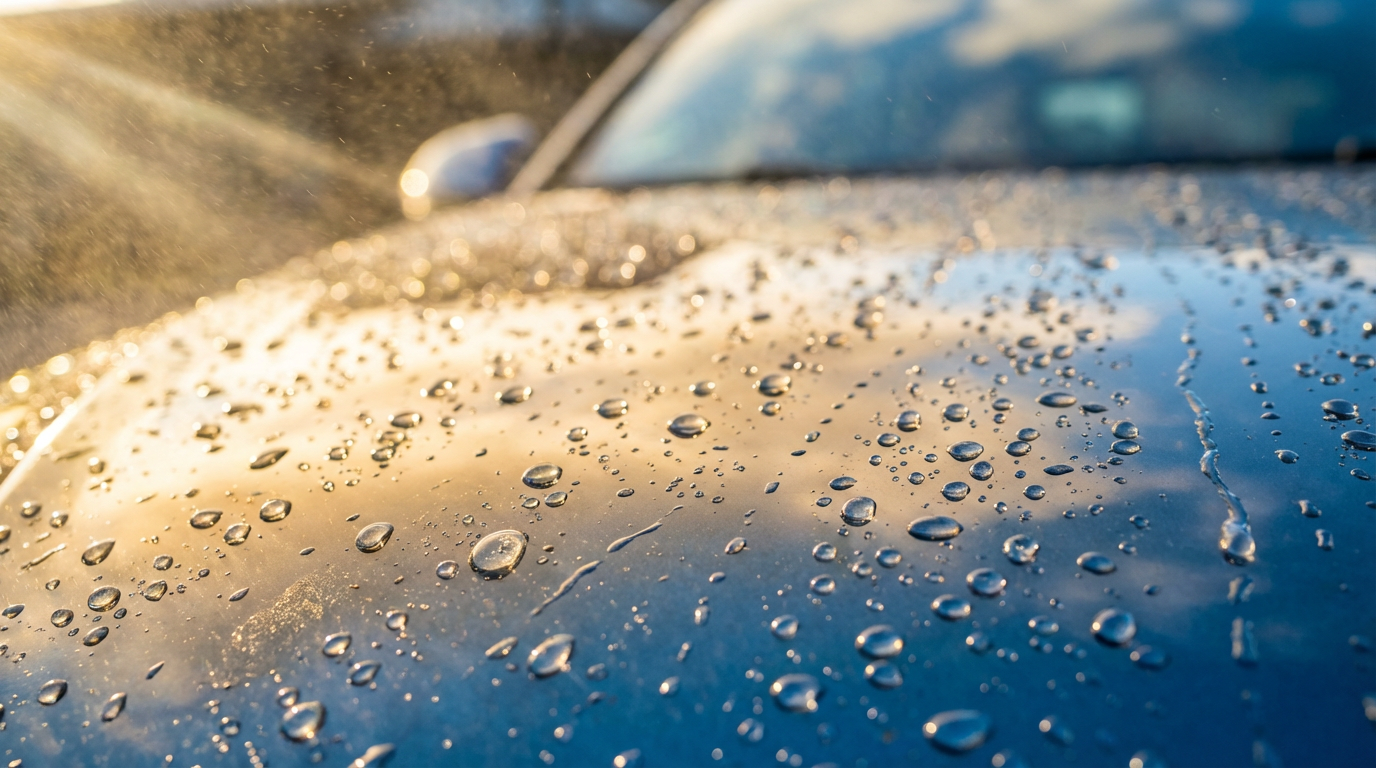
After the abrasive road grime has settled, the next threat emerges as the clouds part. In Vancouver, a sudden morning shower followed by afternoon sun creates the perfect environment for water spotting. When a droplet evaporates, the minerals and pollutants it carried do not vanish; they concentrate into a localized, caustic solution.
Detailers categorize these as Type 1 and Type 2 spots. Type 1 spots are superficial mineral deposits sitting on top of the clear coat, typically appearing as white, chalky rings. Type 2 spots are far more severe, representing physical indentations where the minerals and acidic rain components have chemically reacted with the paint.
How long until water spots damage car paint? If a vehicle is parked in direct sunlight after a shower, the heat acts as a catalyst. Surface deposits can begin to etch into the clear coat in as little as 24 to 48 hours. Once this transition to Type 2 occurs, a standard wash will no longer remove the marks. Even though Vancouver’s municipal water is relatively soft, the atmospheric pollutants ensure that every dried raindrop leaves behind a residue. Without specialized professional car detailing services to chemically neutralize and polish these areas, the damage becomes a permanent part of the vehicle’s finish. Effective car paint protection Vancouver rain demands removing these deposits before they have the opportunity to bond with the clear coat resin.
How to Protect Your Car from Rain in Open Parking and Driveways
For owners who park in driveways or on the streets of neighborhoods like Fairview and Mount Pleasant, the lack of a garage makes your vehicle a constant target for environmental fallout. A common reflex is to purchase a car cover, but this often does more harm than good in British Columbia’s climate. In high-humidity environments, covers trap moisture against the paint, creating a greenhouse effect that promotes mold growth and accelerates oxidation. Additionally, wind can cause the fabric to rub against surface grit, resulting in the very scratches you were trying to avoid.
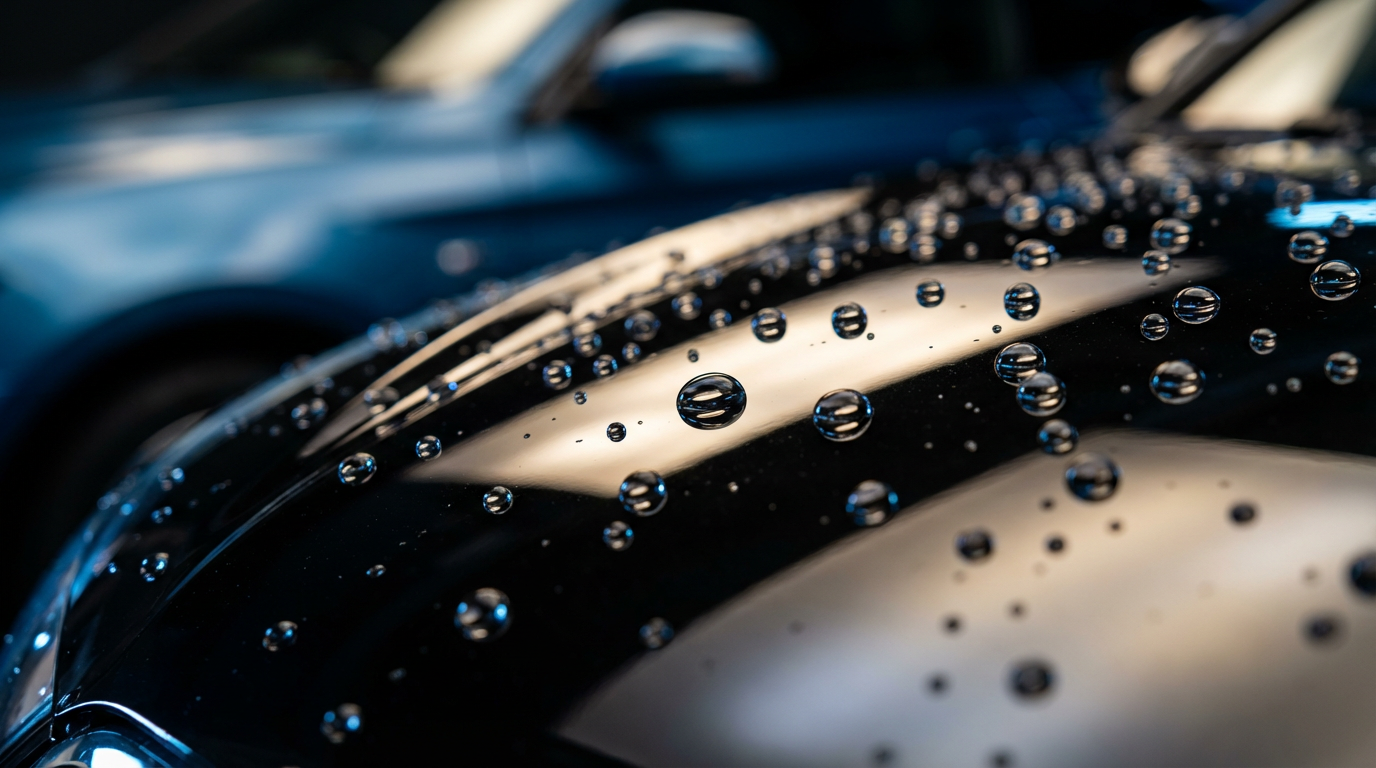
The most effective strategy for car paint protection Vancouver rain involves increasing the surface tension of the paint through hydrophobic layers. This technology forces water to bead into tight spheres rather than flat sheets. As these beads roll off the vehicle, they encapsulate and carry away the dust and pollutants that would otherwise cause etching or water spots.
We recommend a tiered approach based on your maintenance schedule:
Protection Level | Material Type | Typical Durability | Best For |
|---|---|---|---|
Basic | Carnauba Wax | 4 to 6 weeks | Enthusiasts who enjoy frequent detailing sessions. |
Intermediate | Synthetic Sealant | 4 to 6 months | Daily drivers seeking better chemical resistance. |
Advanced | Professional Ceramic Coating | 2 to 5+ years | Maximum protection and self-cleaning properties. |
While wax provides a deep shine, it has a low melting point and degrades quickly under acidic rain. Synthetic sealants offer better durability for our rainy winters. However, for those seeking the highest level of defense, professional car detailing services that include ceramic applications provide a semi-permanent bond that resists etching far more effectively than any over the counter solution. If you are unsure which level of protection your vehicle currently has, you can contact our detailing experts for a surface evaluation.
Ceramic Coating: The Ultimate Vancouver Rain Defense
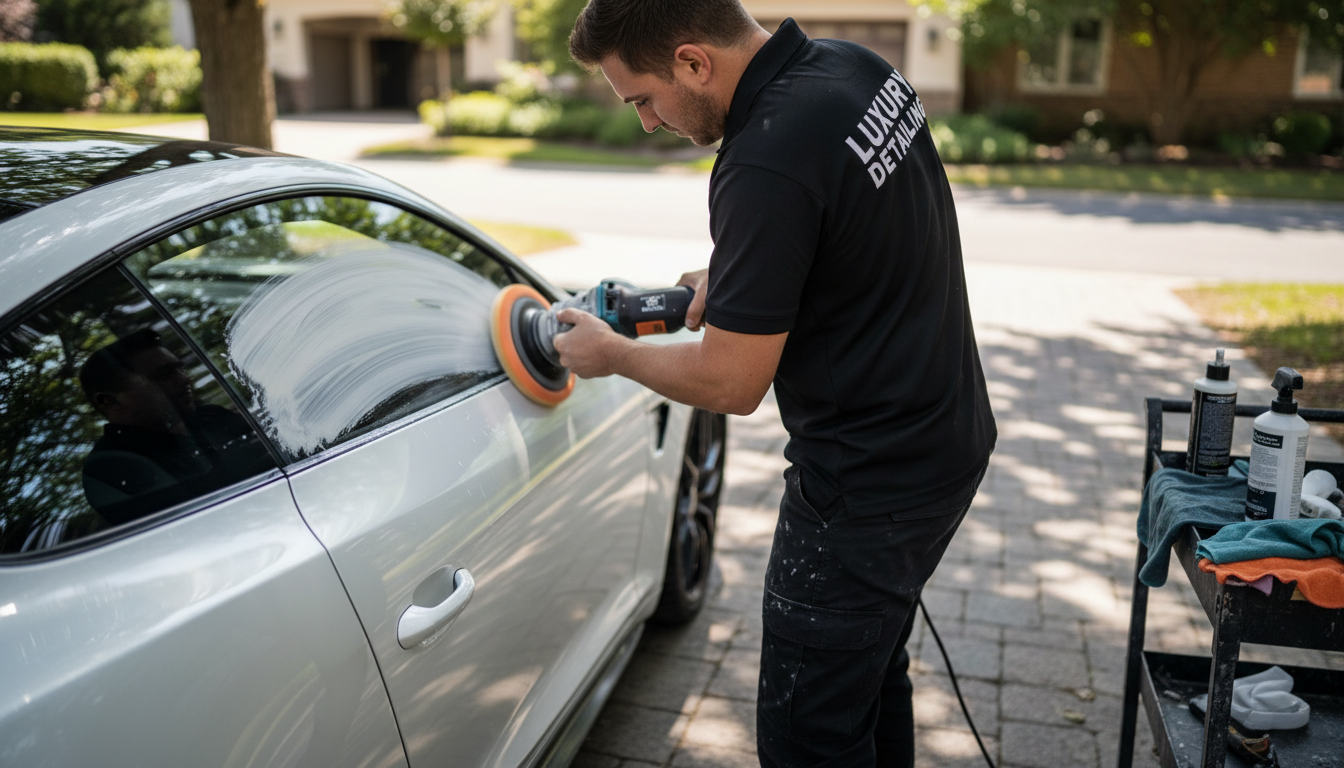
Moving beyond seasonal sealants, a professional ceramic coating represents a fundamental shift in how your vehicle interacts with the Pacific Northwest elements. While carnauba wax sits loosely on top of the clear coat, a ceramic coating is a liquid polymer that forms a semi-permanent chemical bond with the factory paint. This cross-linking creates an ultra-smooth, inorganic layer that is significantly harder and more heat-resistant than organic waxes.
In a city that experiences over 160 rainy days annually, the self-cleaning nature of this technology is transformative. The high contact angle of the coating causes water to bead instantly, rolling off the panels and taking surface dirt with it. This reduces the mechanical friction required during cleaning and minimizes the time contaminants sit on the surface.
Feature | Traditional Carnauba Wax | Professional Ceramic Coating |
|---|---|---|
Bonding Method | Physical Adhesion (Surface) | Chemical Covalent Bond |
Chemical Resistance | Low (Dissolves in Acid Rain) | High (Resists pH 2-12) |
Maintenance | Re-apply every 4 to 8 weeks | Annual maintenance wash |
A common question we hear is, "Can rain damage a ceramic coated car?" While the coating is highly resistant to chemical etching, it is not invincible. If mineral-heavy rainwater is allowed to dry in the sun, it can still leave surface deposits. However, because the coating is so dense, these minerals cannot easily "bite" into the clear coat resin. By investing in this advanced car paint protection Vancouver rain, you are directly preserving the vehicle's long-term resale value in the BC market. To see the depth and clarity these coatings provide, browse our AuraShine Vancouver gallery.
Maintenance Tips for the Rainy Season in British Columbia
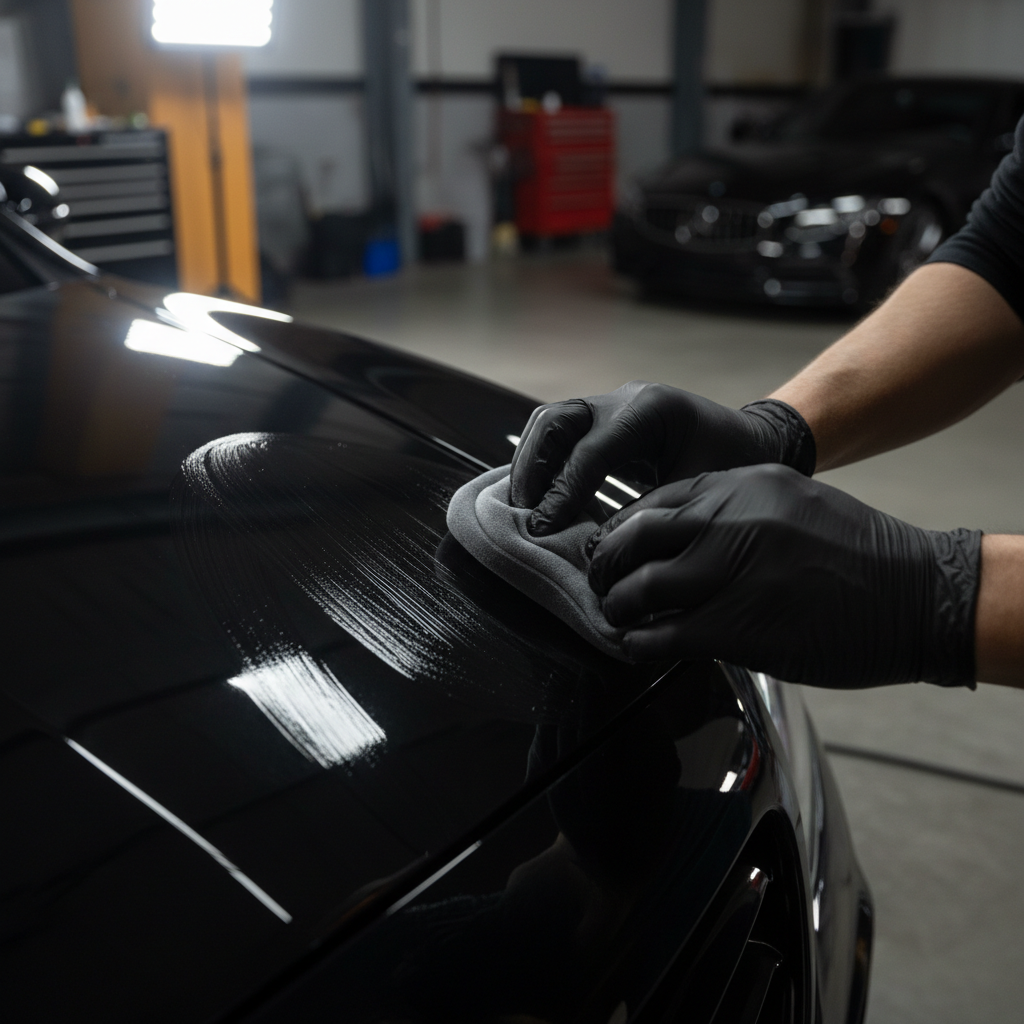
Sustaining a high level of car paint protection Vancouver rain requires a disciplined maintenance routine that goes beyond a quick rinse. During the peak wet months, we recommend a strict two-bucket wash method. One bucket contains your wash solution while the second holds clean water for rinsing your wash mitt. This separation ensures that road grit picked up from the lower panels is not reintroduced to the paint, preventing micro-scratches.
Selection of product is equally vital. Use a pH-neutral automotive soap, such as those formulated by Chemical Guys, to lift contaminants without stripping your wax or sealant. Even if the forecast calls for more rain, always dry the vehicle using a dedicated microfiber drying towel. This prevents the formation of Type 1 mineral spots discussed earlier.
However, manual washing cannot remove everything. Over time, industrial fallout and metallic particles become embedded in the clear coat. A professional detailer is necessary to perform a mechanical decontamination, or clay bar treatment, to safely pull these bonded contaminants out of the pores of the paint. For a deep decontamination, you can book professional car detailing services to ensure your surface remains perfectly smooth. If you are noticing a rough texture on your paint despite regular washing, contact our detailing experts for a specialized assessment.
Protecting your vehicle from Vancouver's unique combination of acidic rain and abrasive road grime is essential for maintaining its long-term value and shine. Regular washing helps, but long-term preservation often requires more durable solutions. If you want expert help ensuring your car remains fully shielded against the elements, we invite you to explore our professional Services. Our team provides specialized treatments designed to keep your paint looking pristine, allowing you to enjoy the drive without worrying about the weather.